
Aperitifs and Digestifs
From A Light, Crisp Beginning to A Sweet and Aromatic End
Aperitifs
An aperitif (a-pera-TEEF) is a light, appetite‑stimulating drink served before a meal. Its purpose is to awaken the palate, refresh the senses, and prepare the stomach for food. Aperitifs are typically dry, crisp, lightly bitter, or herbal — never heavy or sweet.
Wine Aperitifs
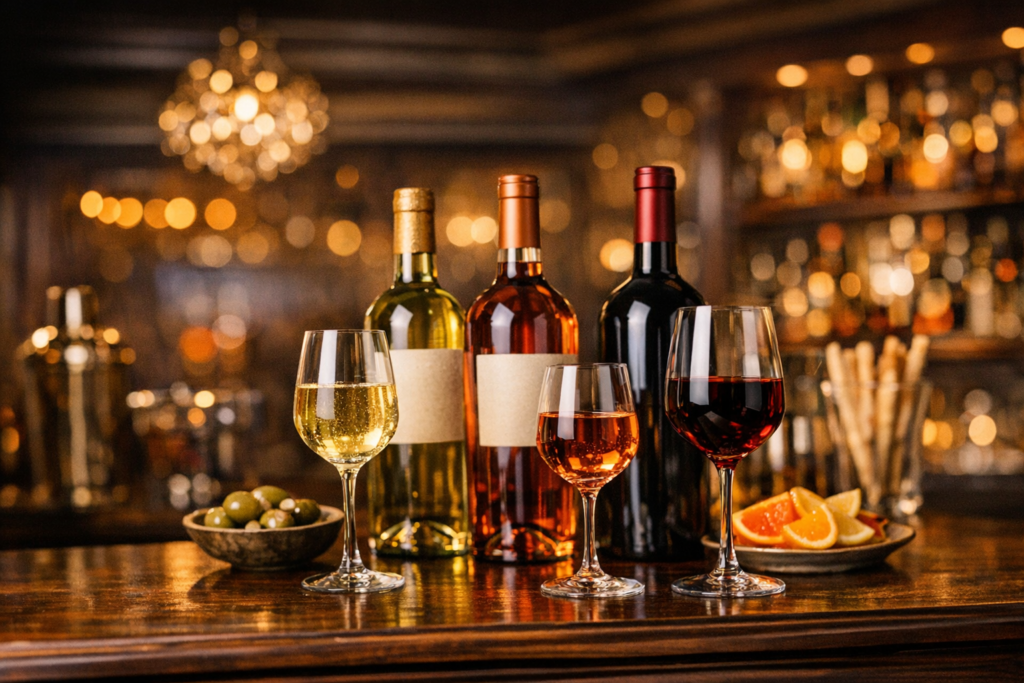
Wine‑based aperitifs include fortified wines, aromatized wines, and certain dry still wines. They are chosen for their ability to brighten the palate without overwhelming it.
Common wine aperitifs include:
- Dry vermouth
- Lillet Blanc or Rosé
- Dry sherry (Fino, Manzanilla)
- Champagne or dry sparkling wine
- Light, crisp white wines
The Difference Between Wine Aperitifs and Other Wines
Wine aperitifs differ from regular wines in three key ways:
- Lower sweetness — dryness keeps the palate sharp.
- Higher aromatics — herbs, citrus, florals, or botanicals stimulate appetite.
- Lower alcohol (usually) — they refresh rather than fatigue the palate.
Regular wines may be delicious, but many are too sweet, too rich, or too full‑bodied to function as true aperitifs.
Which Regular Wines Can Be Used as an Aperitif — and Why
Certain still wines work beautifully as aperitifs when they share the same qualities:
- Sauvignon Blanc — crisp acidity, citrus, herbal notes
- Albariño — bright, saline, refreshing
- Pinot Grigio — clean, light, neutral
- Dry Rosé — crisp, mineral, food‑friendly
- Brut sparkling wine — lively, palate‑cleansing
These wines work because they wake up the palate rather than coating it.
Liquor Aperitifs
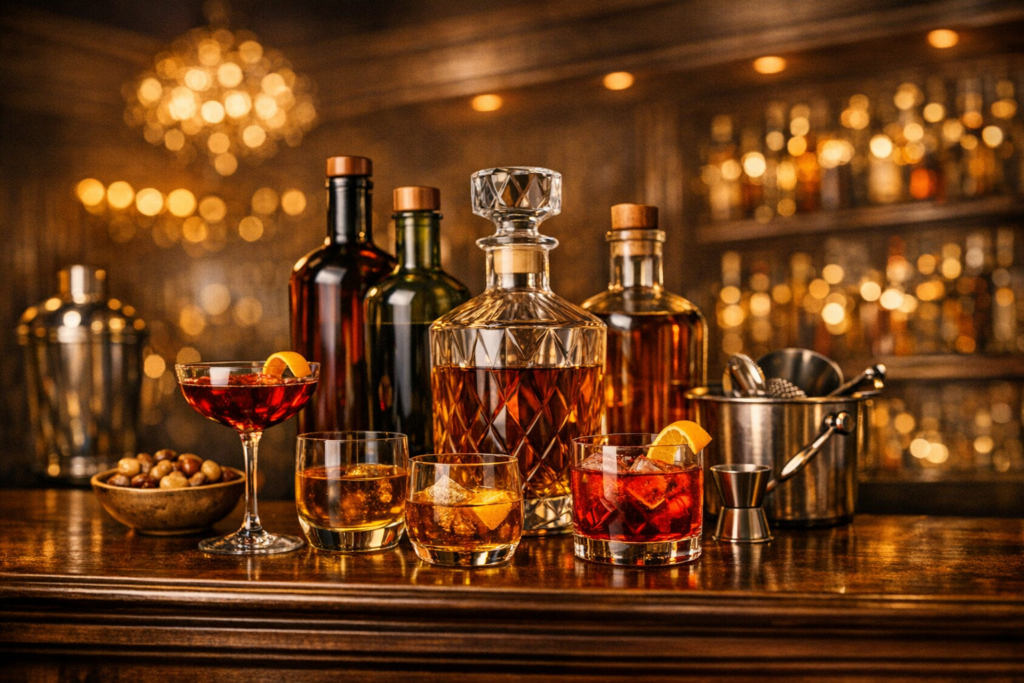
Liquor‑based aperitifs are spirits or liqueurs designed to stimulate appetite through bitterness, botanicals, or dryness.
Common liquor aperatifs include:
- Campari
- Aperol
- Dry gin
- Pastis
- Dry vermouth (also wine‑based)
- Amaro with lighter bitterness (e.g., Montenegro)
The Difference Between Liquor Aperitifs and Other Liquors
Aperitif spirits differ from standard liquors in that they are:
- Lower in sugar
- More herbal or bitter
- Designed to stimulate digestion
- Often lower in alcohol (though not always)
Regular liquors like whiskey, rum, or sweet liqueurs are too heavy or sweet to serve as true aperitifs.
Which Regular Liquors Can Be Used as an Aperitif — and Why
Some standard spirits can function as aperitifs when served simply:
- Gin — botanical, crisp, aromatic
- Vodka — clean and neutral when served chilled
- Dry tequila blanco — bright, vegetal, refreshing
These work because they are clean, dry, and palate‑awakening, especially when served in small pours or simple cocktails.
Digestifs
A digestif (dee-jes-TEEF) is a drink served after a meal to aid digestion, soothe the palate, and bring the dining experience to a gentle close. Digestifs are typically richer, more aromatic, more bitter, or slightly sweet.
Wine Digestifs
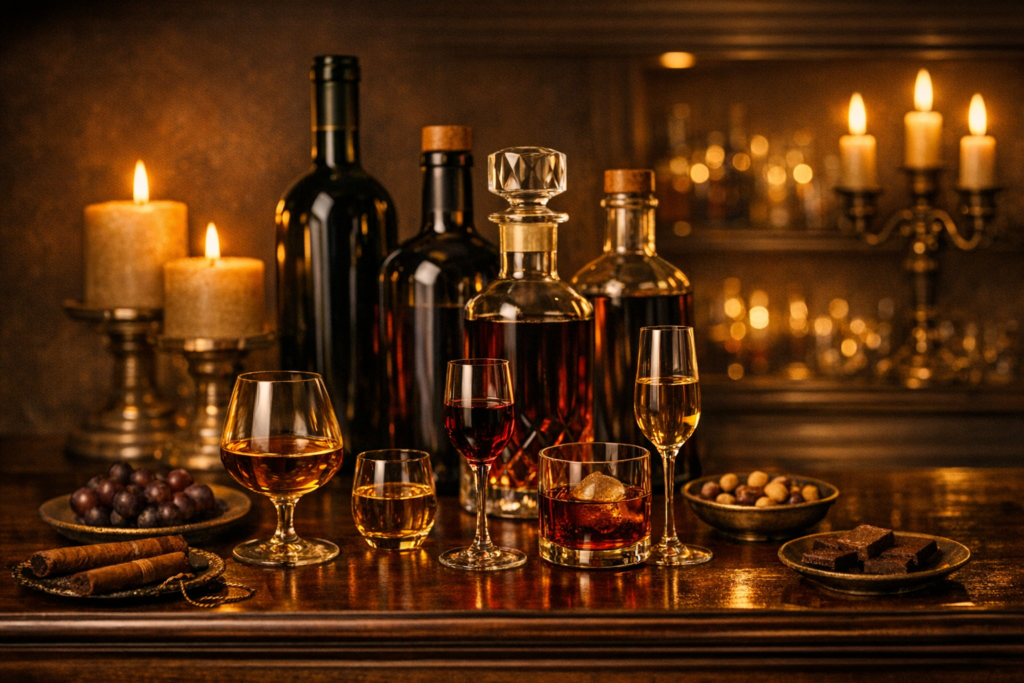
Wine‑based digestifs include fortified or aromatized wines with deeper, richer profiles.
Common wine digestifs include:
- Port
- Madeira
- Marsala
- Sweet vermouth
- Banyuls
- Late‑harvest wines
These wines calm the palate and complement the flavors of dessert or cheese.
The Difference Between Wine Digestifs and Other Wines
Digestif wines differ because they are:
- Sweeter or richer
- Higher in alcohol
- More oxidative or caramelized in flavor
- Designed to linger rather than refresh
Regular table wines lack the intensity or sweetness to function as digestifs.
Which Regular Wines Can Be Used as a Digestif — and Why
Some still wines can work as digestifs if they have:
- Full body
- Ripe fruit
- Soft tannins
- A warming finish
Examples:
- Rich Zinfandel
- Full‑bodied Syrah
- Oaked Chardonnay (with dessert or cheese)
These wines work because they comfort the palate rather than stimulate it.
Liquor Digestifs
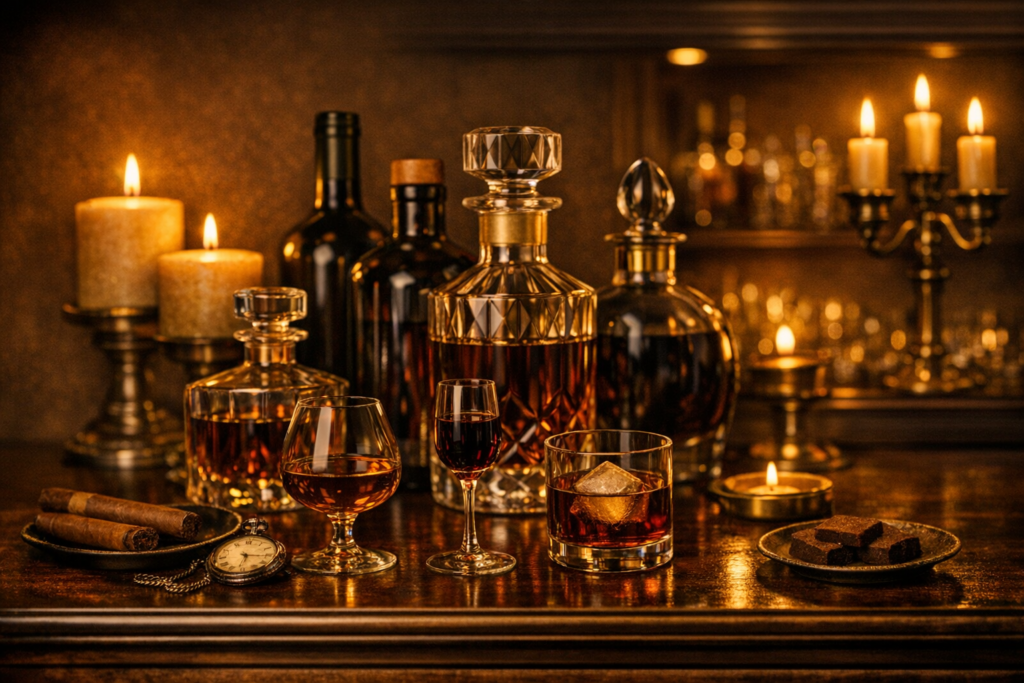
Liquor‑based digestifs are often herbal, bitter, sweet, or warming.
Common liquor digestifs include:
- Amaro (Fernet, Averna, Nonino)
- Cognac
- Brandy
- Aged rum
- Whiskey
- Limoncello
- Grappa
These spirits help settle the stomach and close the meal.
The Difference Between Liquor Digestifs and Other Liquors
Digestif spirits are typically:
- More aromatic
- More herbal or bitter
- Higher in alcohol
- Designed to soothe digestion
Regular liquors can be used, but digestifs are intentionally crafted for after‑dinner use.
Which Regular Liquors Can Be Used as a Digestif — and Why
Some standard spirits work beautifully after a meal:
- Bourbon — warm, caramel, comforting
- Aged tequila añejo — smooth and complex
- Dark rum — rich and soothing
- Scotch — smoky or honeyed finish
These work because they relax the palate and offer a warm, lingering finish.
Can Aperitifs Also Be Used as Digestifs?
Some can – but not all.
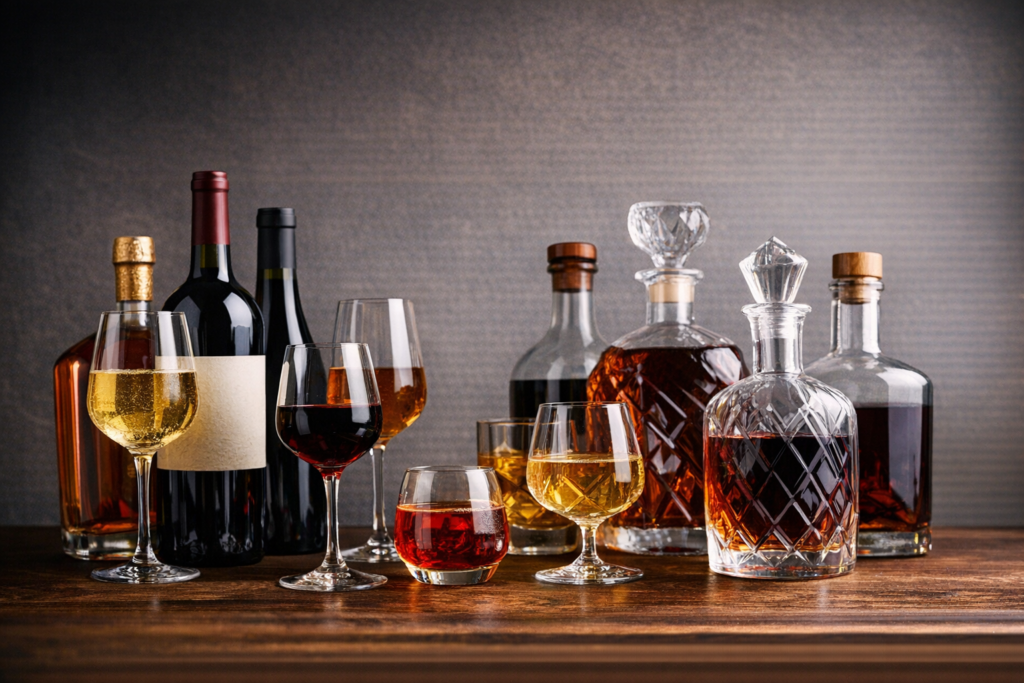
Aperitifs that can double as digestifs:
- Sweet vermouth
- Certain amaros (Montenegro, Nonino)
- Lillet Rouge
- Aromatized wines with balanced sweetness
Aperitifs that do not work as digestifs:
- Dry vermouth
- Champagne
- Dry white wines
- Light, bitter aperitifs like Aperol
These are too light or too dry to close a meal.
Cordials
Where Do Cordials Fit In?
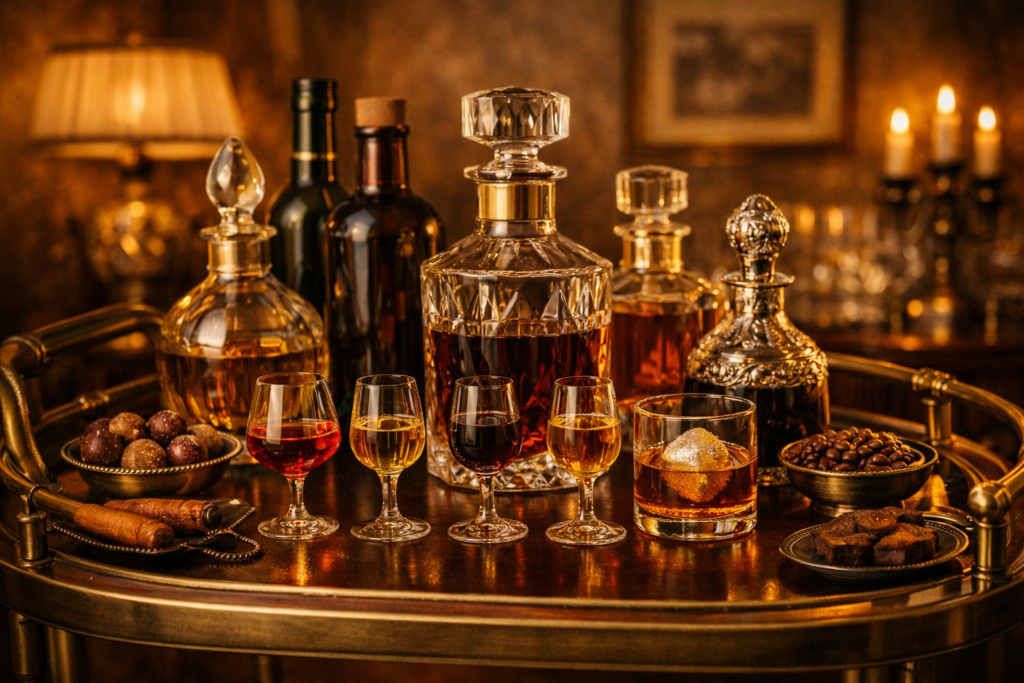
Cordials (also called liqueurs) are sweetened spirits infused with herbs, fruits, spices, or botanicals.
They can function as:
Aperitifs
—but only if they are:
- Light
- Herbal
- Not overly sweet
Examples: - Elderflower liqueur
- Light herbal liqueurs
Digestifs
—this is where they shine.
Most cordials are:
- Sweet
- Aromatic
- Warming
- Sipped slowly
Examples:
- Limoncello
- Amaretto
- Frangelico
- Chambord
- Herbal liqueurs like Chartreuse
Cordials are primarily digestifs, but a few can cross over depending on sweetness and herbal profile.